
The Designer’s Blueprint → The 70/30 Rule of Home Investment
One of the biggest anxieties homeowners face when starting a design project is the budget.
There’s a quiet fear that to achieve a “professional” or "elevated" look, everything has to be expensive. That if you don’t splurge across the board, the space won’t feel cohesive, intentional, or complete.
Here’s the truth → great design isn’t about spending more. It’s about spending intentionally.
In our work, we use a simple but powerful framework to guide those decisions: The 70/30 Rule.
What Is the 70/30 Rule?
The idea is straightforward:
70% of your budget is allocated to foundational pieces
30% of your budget is reserved for flexible style layers
The 70% : Where to Splurge (Foundation + Longevity)These are the pieces that anchor your home and take the most daily wear. Durability, structure, and quality matter most here. | The 30% : Where to Save (Style + Flexibility)These pieces bring personality and visual interest but don’t require long-term commitment. |
Seating + Comfort
Structural Furniture
Flooring + Surfaces
Rugs (Primary Rugs)
Lighting (Hard-Wired)
Kitchens + Baths (Core Elements)
| Accent Furniture
Textiles + Soft Goods
Decor + Styling
Wall Decor (Secondary Layers)
Secondary Lighting
Kitchens + Baths
Plants + Greenery
Storage + Organization (Non-Built-In)
|
Honorable Mention → Art
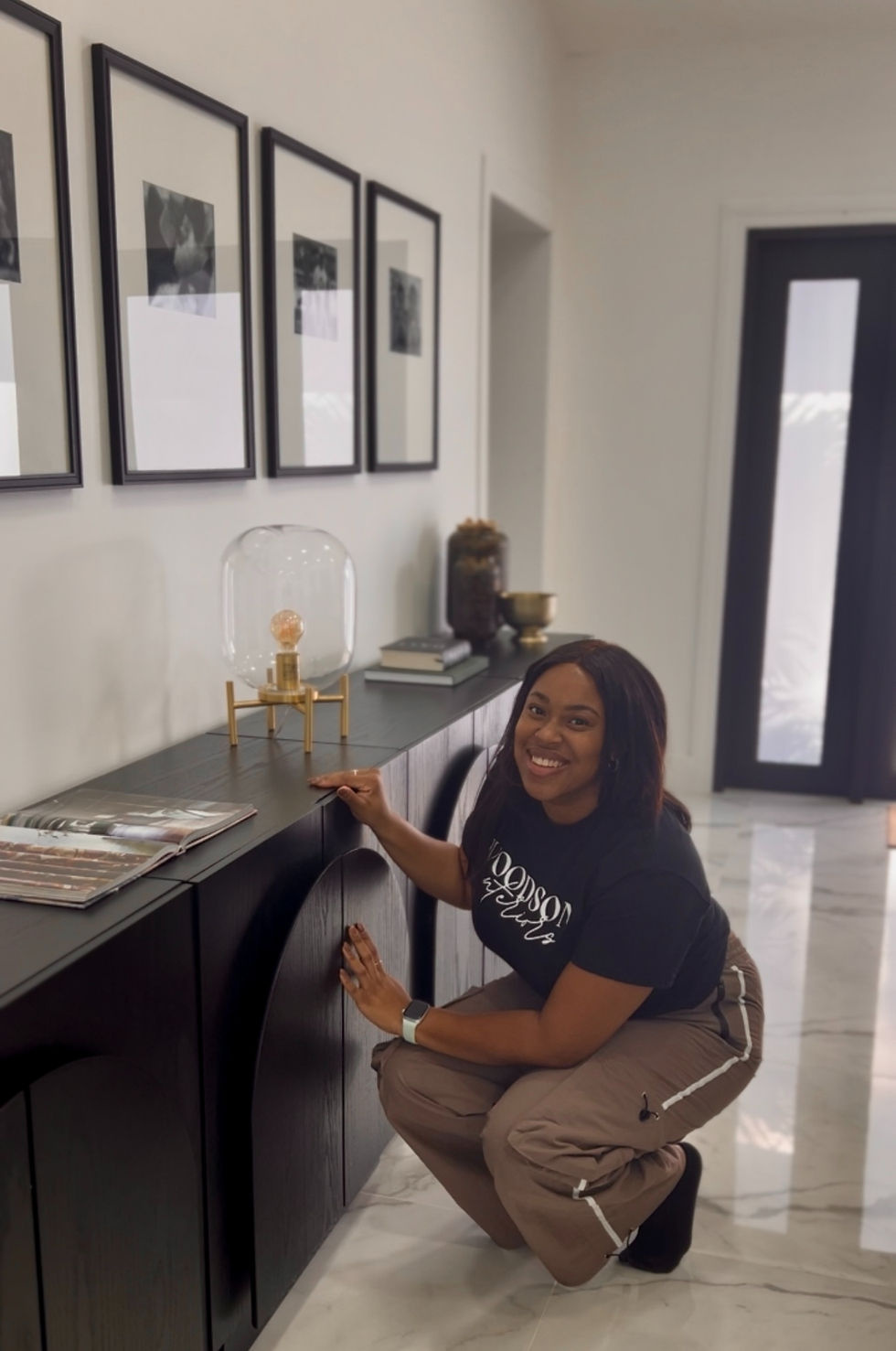
For us, art doesn’t fit neatly into one category . . . and that’s intentional. We’re not above thrifting, printing our own photography, or creating art ourselves.
At the same time, we deeply value investing in original work from local and independent artists. Larger-scale or commissioned art often functions like a foundation piece because it anchors a room visually, guides color and mood, adds depth and individuality, and holds long-term design value.
Our recommendation → a mix. One or two intentional art investments layered with accessible, personal finds keeps a home feeling collected, not overproduced.
Why This Framework Matters
Most homeowners don’t overspend because they want luxury. They overspend because they don’t have priorities. Without a clear system:
Budgets get exhausted too early
Foundational pieces are compromised
Rooms feel unfinished
Replacements happen sooner than expected
This 70/30 framework is something we apply across every project — from boutique design to full-service interiors and professional organizing.
When budgets are guided by clarity instead of impulse, the result is a home that feels thoughtful, cohesive, and designed to last.


